Uncover the Best Inflatable Boats: Specifications, Advantages, and Purchase Guidance
Inflatable boats have become popular due to their versatility and practicality. They are light, convenient to transport, and ideal for a range of activities, from recreational trips to fishing adventures. Nevertheless, choosing the right model requires thorough assessment of various elements. Comprehending key features and benefits can greatly influence the decision-making process. As potential buyers explore their options, they must consider different aspects to ensure they pick a boat that truly fits their needs. What should they focus on?
What Makes Inflatable Boats Special and Why Select Them?
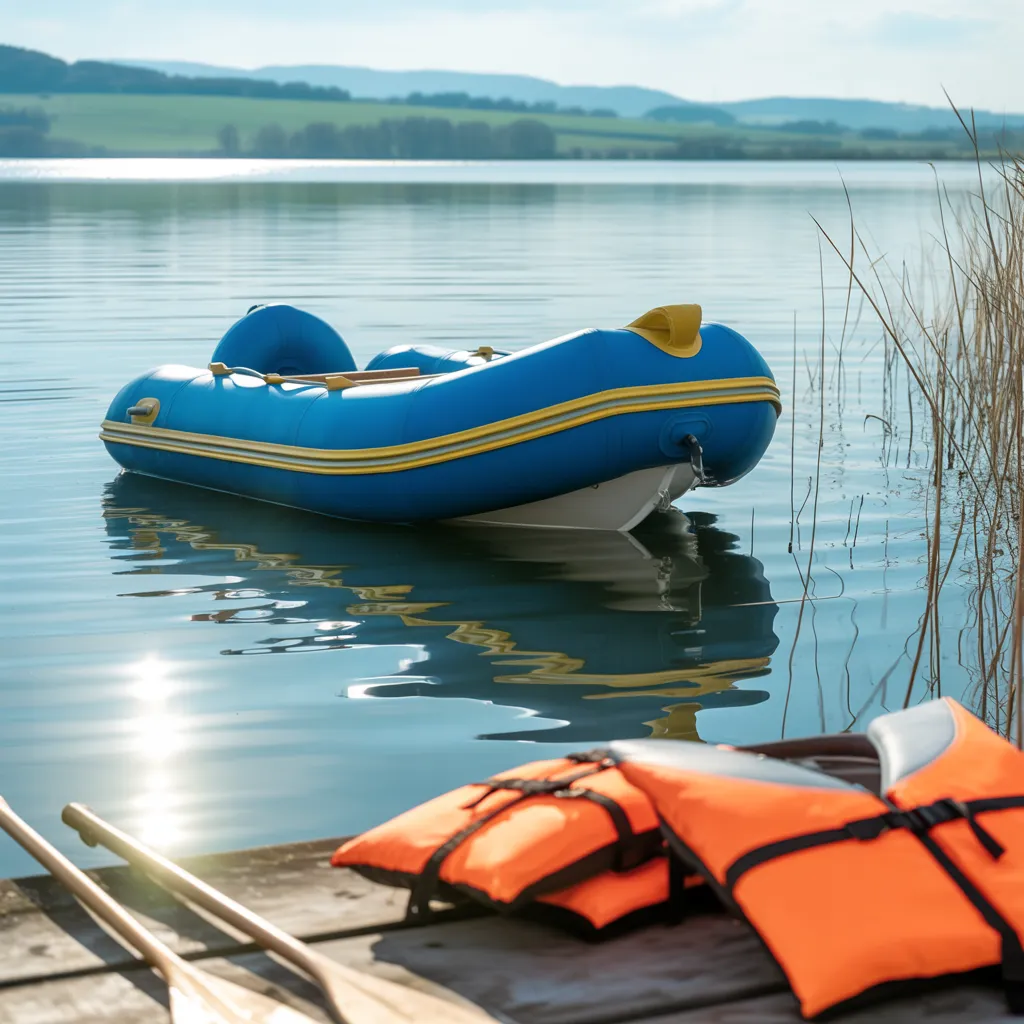
Inflatable watercraft, engineered to be light and convenient to transport, have experienced growing popularity among aquatic recreation lovers for multiple reasons. These multipurpose boats are manufactured using sturdy materials including PVC or Hypalon, delivering a perfect blend of suppleness and resilience. Their buoyancy-focused engineering ensures balance on diverse aquatic settings, making them appropriate for endeavors like fishing, casual navigation, and even search and rescue tasks.
One of the main strengths of inflatable boats is their portability. They can be compressed and stored into compact bags, making them perfect for those with limited storage space or for adventurers who travel to remote locations. Additionally, many models are designed for quick inflation, allowing users to launch without extensive setup time. Cost-effectiveness also plays a role, as inflatable boats often offer a more affordable alternative to traditional hard-shell boats, attracting both newcomers and seasoned enthusiasts alike.
Essential Features to Seek in an Inflatable Boat
While selecting an inflatable boat, prospective buyers should assess several critical features that can greatly impact their time on the water. First, the material of the boat is critical; materials like PVC or Hypalon offer varying strength and resistance to UV damage and punctures. Additionally, the boat's dimensions and weight capacity establish how many passengers and equipment can be transported, influencing the boat's general functionality.
A further crucial element is the type of flooring; firm floors supply superior stability and performance, while inflatable floors are lighter in weight and easier to carry. Furthermore, features such as incorporated storage compartments, safety handles, and multiple air chambers enhance convenience and safety.
Lastly, compatibility with motors may be necessary for those seeking faster travel or increased distance coverage. Assessing these attributes confirms that customers select an inflatable boat that fulfills their specific needs and enhances their enjoyment on the water.
Analyzing Best Inflatable Boats for Fun and Relaxation
Within the field of inflatable boats intended for recreational purposes and recreation, various key attributes have a major impact on consumer choices. Evaluating well-known brands demonstrates unique advantages adapted to different usage scenarios. Recognizing these aspects can assist potential buyers in making informed decisions that best match their recreational needs.
Key Features To Consider
Choosing the right inflatable boat for leisure and recreation requires careful assessment of several key features. First, the boat's material is critical; durable options like PVC or Hypalon offer protection against punctures and UV damage. In addition, the boat's size and weight capacity should correspond to intended use and the number of passengers. Stability is another important aspect, often determined by the boat's design and shape. Additionally, ease of inflation and deflation can significantly impact convenience, making models with integrated pumps more desirable. Storage options, such as built-in compartments, enhance usability for day trips. Finally, portability is important; lighter models enable transport and storage, making them excellent for recreational users. Evaluating these features provides a satisfying boating experience.
Well-Known Brands Overview
Grasping the essential features of inflatable boats paves the way for exploring well-known brands that cater to leisure and recreation. Recognized brands such as Intex and Sea Eagle offer a selection of options customized to casual users, emphasizing durability and ease of setup. Intex is known for its affordability and lightweight designs, making it a favorite for families. Sea Eagle, on the other hand, is celebrated for its durable construction and versatility, suitable for various water activities. For those seeking premium options, brands like Zodiac and Achilles deliver high-performance models built from strong materials, ensuring longevity. Each brand presents unique features, enabling consumers to select the perfect inflatable boat for their recreational needs.
Application Scenarios Explained
Although different inflatable boats serve distinct purposes, their design and features can substantially influence the overall experience. For leisure activities, such as fishing or casual cruising, boats with larger decks and comfortable seating are often chosen. These models typically offer stability and ease of navigation, enhancing relaxation on the water. Conversely, for recreational sports like white-water rafting, streamlined inflatable kayaks or rafts are ideal. They are designed for agility and durability, enabling users to tackle rough waters efficiently. Moreover, some inflatable boats cater to family outings, combining safety features with spacious interiors. Understanding the intended usage scenario is crucial in selecting the right inflatable boat, ensuring peak performance and enjoyment for different activities.
Evaluating the Best Inflatable Boats for Fishing Expeditions
When starting on a fishing adventure, choosing the right inflatable boat can significantly improve the overall experience. The ideal inflatable boat for fishing should prioritize stability, enabling anglers to cast lines without the wobble that can interrupt focus. A boat with a higher weight capacity can hold more gear and passengers, which is vital for longer trips.
Furthermore, features such as built-in rod holders and storage compartments can greatly boost convenience. The material of the boat also matters; puncture-resistant fabrics deliver durability against rugged terrains and sharp objects. Additionally, portability is crucial; lightweight designs are easier to transport and inflate, making spontaneous fishing trips more practical.
In the end, evaluating the best inflatable boats for fishing necessitates considering these essential features to provide a rewarding and enjoyable outing on the water.
Critical Components Determining Inflatable Boat Costs
Numerous key aspects influence the pricing structure of inflatable boats, impacting both starter and luxury models. The construction material used in construction takes on a significant role; boats manufactured from heavy-duty PVC or Hypalon generally carry higher prices owing to their durability and protection to punctures. Additionally, the size and weight capacity of the boat can alter costs, as larger designs often call for more materials and sophisticated design elements.
Brand reputation additionally plays a role in pricing, with well-known manufacturers typically charging more for their dependability and client support. Features like integrated storage, seating, and motor compatibility can further elevate a boat's price. Lastly, seasonal demand and market trends might influence pricing fluctuations. Buyers should consider these factors carefully to guarantee they select an inflatable boat that fulfills their demands while fitting within their budget.
Inflatable Boat Maintenance Tips
Correct maintenance is essential for ensuring the longevity and performance of inflatable boats. Frequently inspecting the boat for punctures or abrasions is essential; using a patch kit for minor repairs can prolong its life. helpful information Cleaning the exterior with mild soap and fresh water after each use helps preventing the accumulation of salt, dirt, and algae, which can degrade materials.
Another important aspect is storage; deflating and placing it in a dry and cool space guards it against UV damage and excessive heat or cold. Avoiding contact with sharp objects during transport and use also decreases potential damage.
Furthermore, examining and upkeeping the valves and inflation systems guarantees proper buoyancy and performance. Periodically applying a protectant created for inflatable materials can even more extend the boat's lifespan. Following these maintenance tips can substantially boost the longevity and dependability of inflatable boats.
How to Choose the Ideal Inflatable Boat for Your Purposes?
Choosing the right inflatable boat can seem challenging, but understanding specific needs and intended uses streamlines the process. To begin, potential buyers should assess the boat's primary purpose, whether for fishing, leisure, or rescue operations. Each activity needs different features, such as stability, seating capacity, and durability.
Next, the construction material is essential; industrial-grade PVC or Hypalon delivers extended lifespan and defense from punctures. Size is a further aspect; smaller boats are simple to transport, while more spacious models supply more space but could require additional storage.
Additionally, take into account the simplicity of inflation and deflation, and also the boat's weight and portability. Accessories, including oars, pumps, and safety gear, should also be factored into the budget. Eventually, analyzing these components helps individuals to find an inflatable boat that meets their specific demands and enhances their experience on the water.
Questions & Answers
How Do I Store My Inflatable Boat Properly?
To correctly store an inflatable boat, confirm it is cleaned and dried, deflate it fully, carefully fold it, and position it in a cool and dry place far from direct sunlight and sharp objects.
Could Inflatable Boats Be Used in Rough Waters?
Inflatable vessels can operate in rough waters when specifically designed for these conditions. Features like reinforced materials and proper buoyancy enhance performance, however vigilance is critical to ensure security and steadiness in rough conditions.
How Long Does an Inflatable Boat Last?
An inflatable boat typically lasts from five to fifteen years, contingent upon factors like material quality, maintenance, and usage conditions. Good care practices can considerably extend its lifespan and performance in multiple environments.
Are Inflatable Watercraft Safe for Young Children?
With appropriate supervision, inflatable boats can offer safe conditions for children. Wearing life jackets at all times is essential, and adults must guarantee the boat is suitable for the water conditions. Safety measures greatly enhance overall child safety during boating activities.
What Are the Steps to Repair a Punctured Inflatable Boat?
To mend a punctured inflatable boat, find the leak, sanitize the area, apply a suitable adhesive patch, and permit it to cure entirely. Routine inspections can aid in preventing future punctures and maintain safety during use.